


Author: Kaifeng Zhu
Mentor: Rosalyn Abbott
The Experimental High School attached to Beijing Normal University
Abstract
Dissociative identity disorder (DID) is a treatable mental disorder that has a proven neurochemical basis. However, public misunderstanding prevents patients from getting appropriate and timely treatment, and medication focusing on dissociation is limited. Therefore, this paper proposes an approach of delivering JDTic and paroxetine by lipid nanoparticles (LNP) through the intranasal route. JDTic and paroxetine target the dysregulated neurotransmitter system. LNPs improve delivery efficacy by increasing bioavailability and drug stability. The intranasal route was chosen as the administration route for its ability to target the brain directly. Limitations and development visions are discussed to inspire further research.
1. Introduction
DID is a mental illness that affects approximately 1% of the general population. Studies suggest that it is strongly related to severe childhood trauma, most often caused by caregivers. Typical symptoms include subjective experience of identity alteration, memory gaps, frequent experience of depersonalization, along with post-traumatic stress disorder, depression, and anxiety (Purcell et al., 2024). Due to the special symptoms it displays, the disorder and DID patients are receiving public attention, yet few people know the scientific facts about the disease, which has led to misunderstandings about DID patients. This mental disorder has been proven to be treatable, with multiple reported structural and neurochemical basis. However, current medication mainly targets the depression and anxiety symptoms of DID, and focuses less on its dissociations, which are the symbolic symptoms. This study aims to discuss DID from a biological perspective and dive into its dissociation aspect.
In this paper, we explored a new way of DID treatment. We targeted the opioid system and serotonergic system, whose dysregulations are believed to be the main cause of dissociation. Medications are chosen according to the targeted receptors, namely JDTic for opioid receptors and paroxetine for serotonin receptors. Lipid nanoparticles are then designed to deliver the drugs to the brain. We proposed to administer the drugs intranasally, which was reported to target the brain through olfactory neurons, circumventing the blood-brain barrier (BBB). This could enable more efficient drug administration as well as reduce systemic side effects. Furthermore, we envision several directions related to the theme of this paper. Future studies in these directions could improve medical treatments for DID. We hope to provide new insight into treating this mental illness based on its neurotransmitter basis.
2. The Neurotransmitter Basis of DID
The dissociative symptoms of DID are related to multiple neurotransmitter systems. In this section, we will discuss two neurotransmitter systems that are believed to contribute to dissociative experiences (including depersonalization, derealization, amnesia, etc.), namely the opioid system and the serotonergic system.
2.1.Opioid System
The opioid receptors are a kind of G protein coupled receptors (GPCR). The system regulates multiple biological and cognitive processes, such as nociception, analgesia, endocrine and immune functions, stress and emotions, and more (Reeves et al., 2022). Opioid receptors are differentially expressed throughout the brain, with higher concentrations in the cortex, limbic region (including amygdala, hippocampus, hypothalamus, and cingulum gyrus), and brainstem (Purcell et al., 2024) . The receptors are categorized into three subtypes: mu (MOR), kappa (KOR), and delta (DOR). The subtypes accept different signaling peptides (Reeves et al., 2022). Exposure to stressful stimuli activates kappa opioid receptor (KOR) signaling, a process known to produce aversion and dysphoria and related to stress-related disorders(Jacobson et al., 2020). A study conducted on nine adult volunteers suggests that enadoline, a kind of KOR agonist, leads to confusion, dizziness, visual distortions, and depersonalization reported by participants (Walsh et al., 2001). Other related studies also suggest that salvinorin is a KOR agonist that relates to depersonalization (Roth et al., 2002). This might indicate that kappa-opioid receptors might be helpful in regulating certain dissociative symptoms. While naloxone, naltrexone, and nalmefene were reported to reduce the dissociative symptoms, these therapeutics have yet to be systematically studied, and conflicting results were shown in recent studies (Purcell et al., 2024). Therefore, we propose JDTic, an alternate medication that targets the KOR, thus in theory can alleviate dissociation.
2.2.Serotonergic System
The serotonin receptors can be classified into six different GPCR populations (namely 5-HT1, 5-HT2, 5-HT4, 5-HT5, 5-HT6, and 5-HT7) and one family of ligand-gated ion channels (5-HT3). Every receptor class regulates neural processes through a different mechanism. Under each class, they can be further divided into specific subtypes, each of which has a different function, agonists, and antagonists (Pytliak et al., 2011). The receptors are distributed throughout the brain, regulating affect, cognition, autonomic, and other behavioral activities (Purcell et al., 2024). Sixty-seven subjects received depersonalization ratings after double-blind, placebo-controlled experiments with the partial serotonin agonist meta-chlorophenylpiperazine (m-CPP). Results show that m-CPP significantly induced more depersonalization than the placebo did (Simeon et al., 1995). Another study performed a positron emission tomography scan on a patient with dissociative amnesia. Images were compared between the patient in amnestic state and recovery state and 14 other healthy subjects. The patient in the recovery state displayed significantly higher 5-HT1A receptor bindings than healthy subjects in multiple cortical regions (Kitamura et al., 2014). This might indicate that the serotonin system is possibly related to dissociative experiences. Study suggests that paroxetine, a selective serotonin reuptake inhibitor, might relieve dissociation.
3. Possible Therapeutics
In this part, we mainly give two medications that seem promising in dissociation treatment and introduce their mechanisms and metabolism. Namely, we will introduce JDTic and paroxetine, targeting the opioid system and the serotonin system, respectively.
3.1.JDTic
Currently, JDTic is not used clinically. Therefore, we only discuss it as a possible treatment of dissociation due to its medical mechanism. Further study is still needed to enable its clinical application. JDTic is a kind of highly selective competitive antagonist of KOR. Notably, it is not derived from the opiate class of compounds. The potent and selective κ antagonist properties can be explained by the “message−address” concept, a theory that explains the interaction between the ligand and receptor. The “message” component of the ligand specifies primary receptor recognition, and the “address” portion enables selectivity by specifically recognizing a particular receptor subsite (Thomas et al., 2003).
After JDTic was intraperitoneally administered to mice, its brain level peaked within 30 minutes and declined gradually over a week. JDTic did not show high lipophilicity, demonstrating high water solubility and low distribution into octanol. Brain homogenate binding was within the range of many shorter-acting drugs. JDTic displayed P-glycoprotein (P-gp)-mediated efflux. The surprisingly slow elimination of the drug is postulated to result from the drug lingering in cellular compartments such as lysosomes (Munro et al., 2012).
There is no current evidence that directly proves that JDTic is effective in dissociation treatment. Being an opioid receptor antagonist, JDTic is believed to restore neuron functions that were overly inhibited by opioid receptors. Considering the relationship between opioid receptors and dissociation symptoms mentioned above (KOR especially), it is reasonable to conclude that JDTic might be conducive to dissociation treatment. However, further researches are needed to validate this assumption.
3.2.Paroxetine
Paroxetine is a drug for a variety of anxiety disorders. It is worth emphasizing that in the treatment of PTSD, there are only two approved pharmacotherapies based on SSRIs, including Sertraline and Paxil (paroxetine hydrochloride). It is a potent, selective serotonin reuptake inhibitor (SSRI). It exhibits the highest known binding affinity for the central site SERT compared to any other currently prescribed antidepressants. Paroxetine acts on the serotonin transporter (SERT) in the CNS, which is a type of monoamine transporter that transports serotonin from the synaptic cleft back to the presynaptic neuron. Inhibiting the SERT increases the serotonin concentration in the synapse, enhancing the activation of postsynaptic receptors.
Paroxetine hydrochloride salt ingested orally is almost completely absorbed, with only 2% of the dose recovered in feces. Its absorption was insusceptible to the influence of food or concomitant antacid treatment. It reaches saturation during the pass through the liver. With repeated administration, the steady-state concentration of the drug is achieved within 4 to 14 days. There is no further accumulation of the compound. The distribution of paroxetine in the body is extensive, aligning with its lipophilic amine character, with only 1% of the drug remaining in systemic circulation. After administered intravenously, the volume of distribution ranges from 3.1 to 28.0 L/kg. The mean elimination half-life is estimated to be about 21 h. Almost two-thirds of the drugs are eliminated through the kidneys. Up to 95% of the drug is bound to proteins, mainly P-gp, which is involved in transportation through the blood–brain barrier (BBB) (Data from reference (Paroxetine—Overview of the Molecular Mechanisms of Action, n.d.)(Paroxetine—Overview of the Molecular Mechanisms of Action, n.d.)).
Paroxetine is mainly metabolized by cytochrome P450 family 2 subfamily C member 19 (CYP2C19) and CYP3A4, producing a catechol metabolite (Benedetti et al., 2009). It is one of the most potent inhibitors of CYP2D6 and CYP2B6, members of the CYP450 family, among SSRIs (Paroxetine—Overview of the Molecular Mechanisms of Action, n.d.). Autoinhibition is observed in the metabolism of Paroxetine, which means that some drugs can inhibit the enzyme(s) involved in its metabolism. When autoinhibition occurs, observed plasma concentrations are higher than the value expected by linear accumulation, which could cause adverse effects or an enhanced therapeutic effect (Benedetti et al., 2009).
In a study conducted to determine the efficacy of paroxetine on PTSD symptoms, results show that paroxetine continued to perform superior to placebo in reducing dissociations during the 12-week maintenance phase. Specifically, significantly more patients treated with paroxetine were rated as responders compared to patients treated with placebo. Mixed effects models showed greater PTSD feature reductions in the paroxetine groups than the placebo groups. Paroxetine was also superior to placebo in reducing dissociation and self-reported interpersonal problems (Marshall et al., 2007). This suggests that paroxetine is a promising medication against dissociation.
4. Lipid Nanoparticle
To deliver therapeutics for DID to the brain, there are multiple approaches used. The use of lipid-based nanoparticles first came from the biocompatible concept, where the tiny lipid cholesterol molecules and phosphatidylcholine are popular. Lipid-based nanoparticles enable easy cellular uptake of drugs because of the lipid coat. Two of the most important lipid-based nanomaterials are liposomes and solid lipid nanoparticles (SLN). Liposomes are composed of lipid bilayers and enclosed aqueous cores, while SLN consists of a lipid monolayer enclosing a solid lipid core. While they are slightly different in structure, both can be effectively used in drug delivery applications, and nasal administration studies on both types of nanoparticles have been done (Trapani, A et al., 2021). According to existing research, we propose that the medication for DID could be delivered by lipid nanoparticles through the intranasal route. By applying adhesive components such as chitosan to nanoparticles, we can improve the drug internalization of olfactory neurons, increasing bioavailability. The molecule size and surface properties of nanoparticles can be accommodated to adjust to both passive and active drug targeting, which might be helpful in drug administration. Additionally, nanoparticles protect drugs from degradation, improving stability and delivery efficacy (Chenthamara et al., 2019).
In the study of (Wang et al., 2025), the authors designed and synthesized ionizable lipids. Specifically, small-molecule ligands known to traverse the BBB, such as MK-0752, were chemically coupled with amino lipids to synthesize a series of structurally diverse BBB-crossing lipids. The BBB-crossing module enables the nanoparticle to cross the BBB. The amino groups function to provide ionization properties, enabling the lipids to exhibit variable charge states, determining their apparent pKa, a critical parameter and the basis of endosomal escape. The lipid tails form the hydrophobic core of the nanoparticle, the length of which influences the efficiency of MK-series BLNPs in delivering mRNA to the brain. The study administered the drug intravenously into mice. MK16 BLNPs are distributed throughout the body, with most of the dose being absorbed by the liver and part of the dose (15.3±0.4%) in the brain. Notably, the study also demonstrated that caveolae and γ-secretase might be critical mediators in facilitating the BBB crossing of MK16 BLNPs (Wang et al., 2025). The study proved that lipid nanoparticles are capable of carrying large organic particles like mRNA, providing a theoretical possibility for delivering paroxetine and JDTic. However, it also showed a high rate of missing the targeted administration region, which could cause systemic side effects or increased metabolic stress. In order to target the brain better, we referred to an alternate model of LNP. In “Dopamine-loaded lipid-based nanocarriers for intranasal administration of the neurotransmitter: A comparative study”, the researchers structured the SLN based on the self-emulsifying lipid Gelucire® 50/13, coated with stearoyl polyoxyglycerides, surrounded by a hydrophilic polyoxyethylene chain shell. The study evaluated two types of liposomes, which were composed of an aqueous drug solution core and the coating fat phase, which was made of a mixture of phosphatidyl choline, phosphatidyl glycerol, and cholesterol. Lip 1 was uncoated, while Lip 2 was coated with Chitosan-glutathione conjugate. Both liposomes were outperformed by SLNs in encapsulation efficiency. The two types of SLNs are unmodified DA-SLN (SLN 1) and Glycol Chitosan-associated GCS-DA-SLN (SLN 2). In the case of SLN 2, the GCS component contributed to the network on the shell of the nanoparticle, reducing the leakage of the drug. Therefore, SLN 2 outperformed SLN 1 in encapsulation efficiency. The drug was administered intranasally. The GCS component increased the mucoadhesive ability of SLN 2, allowing the nanoparticles to be taken up with high efficiency by olfactory ensheathing cells (OECs), enabling better drug administration. The study also proved that the SLNs lack cytotoxicity towards OECs, rendering it a rather safe route (Trapani, A et al., 2021).
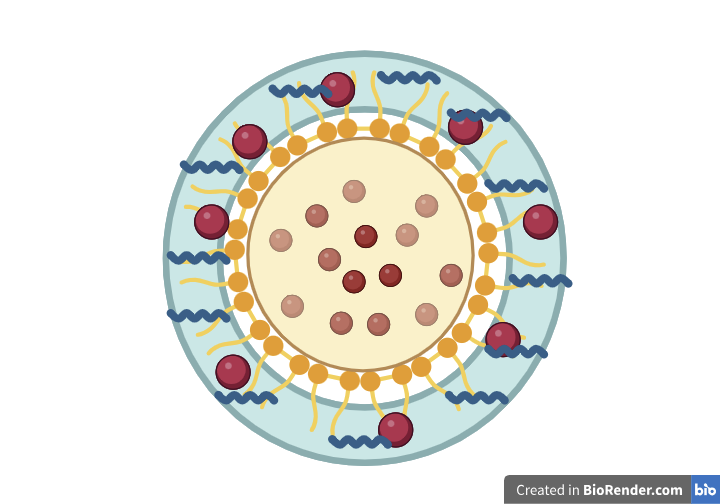
Inspired by SLN 2, the general image of our proposed lipid nanoparticle carrier of paroxetine is shown Figure 1. We surrounded the lipid basis and its stearoyl polyoxyglycerides shell with a hydrophilic layer and GCS in order to increase the mucoadhesive ability of the nanoparticle. Notably, according to the structure of paroxetine, it will be involved in the outer network of hydrogen bonds and molecular interactions, as dopamine was in the paper. The methods of preparation were recorded in the reference (Trapani, A et al., 2021). We are uncertain if chemicals like Gelucire® 50/13 or stearoyl polyoxyglycerides still apply here. Specific components of the designed SLN need to be determined in further research.
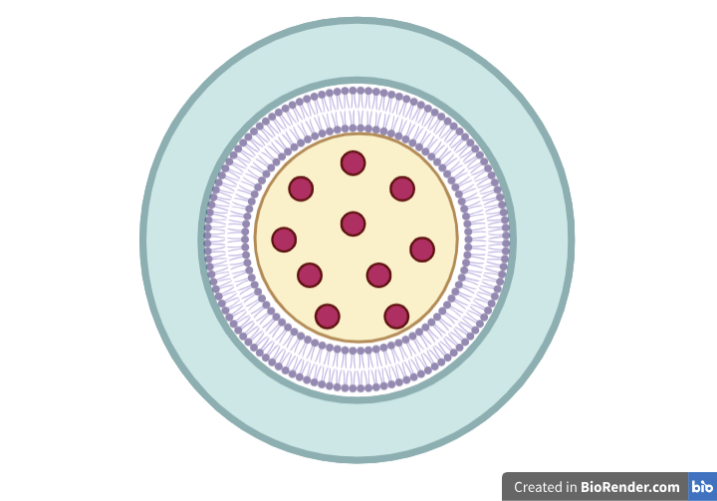
JDTic does not display good lipophilic properties. To avoid the challenge of encapsulation of hydrophilic compounds in SLN, as mentioned in the paper, since the paper suggests that liposomes have aqueous cores (Trapani, A et al., 2021), we propose to use a liposome carrier to deliver JDTic, as shown in Figure 2. Notably, although in the study of Wang et al., the delivered mRNA is aqueous, the following studies and property determination are all done in the context of intravenous delivery. We are not sure if the results still apply to intranasal administration. Thus, we did not adopt the LNP used in this study (Wang et al., 2025). We propose to use the same component as coating lipids as used in the reference. To increase encapsulation efficiency, an appropriate polymer coating (e.g., chitosan, alginate) may be applied to limit such drug leakage. Its preparation methods were also recorded (Trapani, A et al., 2021). Still, the exact component of the liposome requires further determination.
5. Nasal Route
After intranasal administration, drugs primarily enter the brain by interacting with neural pathways within the nasal cavity. Specifically, drugs absorbed from the nasal mucosa can be transported along the axons of the olfactory and trigeminal nerves. Olfactory sensory neurons take up the drugs and transport them via their axons to the olfactory bulb, the first site of entry into the brain. Subsequently, drugs can diffuse further from the olfactory bulb to more distant brain regions, such as entering cortical and hippocampal areas via cerebrospinal fluid circulation. Beyond intracellular transport along nerve axons, drugs may also enter through extracellular pathways—specifically, by crossing tight junctions between epithelial cells into the lamina propria of the submucosal layer, then traversing perineural spaces to ultimately reach the subarachnoid space, thereby diffusing into brain tissue (Erdő et al., 2018).
The primary advantage of the intranasal route of administration lies in its ability to bypass the blood-brain barrier, enabling direct delivery of drugs to the central nervous system. This opens therapeutic possibilities for large molecules or hydrophilic drugs—such as dopamine, neuropeptides, and even mRNA—that struggle to cross the BBB. Compared to oral or intravenous administration, this route typically yields higher brain bioavailability, achieving greater brain tissue exposure at equivalent doses. Simultaneously, reduced systemic circulation helps minimize peripheral side effects. Furthermore, intranasal administration offers non-invasive delivery, facilitates patient self-administration, and provides a relatively rapid onset of action. It demonstrates potential for treating both acute and chronic central nervous system disorders, including neurodegenerative diseases, epilepsy, and pain management (Erdő et al., 2018).
6. Developments and Limits
JDTic has yet to be applied clinically, and its effectiveness in humans is still lacking validation. Also, existing study suggests that nonsustained ventricular tachycardia is a potential JDTic toxicity in humans (Buda et al., 2015), indicating potential medical safety problems. Further assessments and studies on the drug safety of JDTic are required.
The reported effectiveness of the drugs on dissociation is conflicting, and any significantly effective drug for dissociative symptoms is not clear yet. For instance, although opioid receptor antagonists are believed to be effective in dissociation, research indicates that naltrexone, an opioid receptor antagonist, cannot cancel out the dissociative symptoms induced by ketamine (Jacobson et al., 2020). It is possible that ketamine induced dissociation is not the same as dissociation observed in DID patients in terms of mechanisms. However, further determination is still needed.
The stability and storage of lipid nanoparticles still need to be improved. The paper suggests that the liposome can be stored for 6 days under 4 degrees Celsius, while SLN can maintain stability for 1 month before undergoing particle aggregation and drug autoxidation. Also, the encapsulation efficiency of liposomes is not quite satisfying due to drug leakage, and the polymer coating can only improve this condition to a limited extent (Trapani, A et al., 2021). The refrigeration requirement might lead to increased storage and transportation costs, and the drug delivery efficacy requires further improvement.
Due to the omnipresence of the serotonin receptors and KORs in the brain, we are not sure if the impact of the medication on the whole brain will bring any side effects. Medication safety requires future confirmation.
As this study is about mental illness medication, which must be applied carefully, this study lacks experimental data, and the effectiveness of the therapeutics proposed in this study remains to be seen. Further experiment is needed to test its viability, and more assessments of its effectiveness are required.
The glutamatergic system might also be related to the dissociative symptoms of DID. Glutamate receptor can be classified into ionotropic glutamate receptors(iGluRs), which are ion channels, and metabotropic glutamate receptors (mGluRs), which are GPCRs. They are widely distributed in the central nervous system (CNS). They are involved in synaptic transmission and regulate learning, memory, and neural plasticity through long-term potentiation (LTP) and long-term depression (LTD) (Wang et al., 2024). Ketamine is a dissociogenic drug that influences NMDA, a kind of iGluR. Moreover, glutamate levels in the anterior cingulate cortex positively correlated with dissociative symptoms in a borderline personality disorder sample. However, evidences are still limited, and the medications acting on the glutamatergic system show conflicting results on relieving dissociative symptoms (Purcell et al., 2024). Therefore, we did not concentrate on this neurotransmitter system. However, we believe there might be a potential relationship between the glutamatergic system and the dissociation, which calls for further study.
Clinical evidence suggests that DID is induced by childhood abuse (Purcell et al., 2024). It has been suggested that epigenetics is the link between environmental factors and physiological features (Weir, 2012), so we are convinced that DID can also be related to epigenetics, which may inspire further exploration or other treatment routes. Additionally, DID was also proven to display multiple neural structural differences compared to normal brains, such as reduced cortical and subcortical volumes in the hippocampus, amygdala, and parietal structures (Blihar et al., 2020), or dysregulation of activity in the prefrontal cortex, amygdala, and other brain areas (Shimiaie, 2025). While this paper mainly focused on the neurochemical basis of DID, this might suggest another perspective on the neurological basis of the disorder, thus leading to future research.
In DID, the dissociation symptoms usually appear along with other disorders, namely depression, anxiety, and somatization, which could require concomitant drug application (Purcell et al., 2024). To explore drug interactions and avoid adverse effects due to concomitant drugs, an artificial intelligence application has been introduced, and a systematic review of the viability of this method has been conducted (Zhang et al., 2024). With further development, this application of AI could lead to more improvement in DID treatment.
The treatment mentioned in this paper may also be applicable to dissociation under other circumstances. However, further research is needed to validate this hypothesis, since dissociative symptoms could appear slightly differently in different illnesses.
Considering nasal administration, there could be ways to improve the drug delivery efficiency. The nasal epithelium can be a rate-limiting barrier of drug uptake, where cells are joined together by tight junctions. Therefore, permeation enhancers, such as borneol, chitosan, and cyclodextrins, are applied to enhance drug transportation. The effectiveness of intranasal administration is more influenced by the administration technique compared to other routes. The administration technique should be efficient and feasible for the patient to administer by themselves. Nasal drops spread over a larger area than nasal sprays and display a higher deposition rate compared to nasal sprays, if administered correctly. While drops are more easily cleared from the administration region than sprays, adding mucoadhesive agents can address this problem. However, nasal drops require a highly accurate administration technique and correct head position. Some novel intranasal delivery devices include the VianaseTM electronic atomizer and the bi-directional delivery device Opt-Powder by Optinose®, the potential of which on lipid nanoparticle delivery requires further studies. Multiple approaches have been studied to increase brain uptake of drugs, including increasing drug lipophilicity, increasing carrier-mediated transport through the BBB, and decreasing efflux by applying transport inhibitors (Erdő et al., 2018). Studies of delivery efficacy-enhancing methods could further propel the development of intranasally administered mental disorder medications.
7. Conclusion
This paper offers a novel insight into DID medical treatment based on KOR and serotonergic system and LNP delivery through the intranasal route. Although this treatment possesses the theoretical advantage of targeting the brain and improving bioavailability, its clinical transformation still needs to overcome major obstacles. JDTic, a proposed medication, has not been put into clinical application and faces safety challenges. The stability of nanoparticle carriers could be improved. There is a lack of experimental data. Future studies could focus on medication trials, nanoparticle carrier improvement, delivery efficacy enhancers, and more exploration into the neurologic basis of DID. We hope to develop safe and accurate medical therapy for DID.
References
Benedetti, M. S., Whomsley, R., Poggesi, I., Cawello, W., Mathy, F.-X., Delporte, M.-L., Papeleu, P., & Watelet, J.-B. (2009). Drug metabolism and pharmacokinetics. Drug Metabolism Reviews, 41(3), 344–390. https://doi.org/10.1080/10837450902891295
Blihar, D., Delgado, E., Buryak, M., Gonzalez, M., & Waechter, R. (2020). A systematic review of the neuroanatomy of dissociative identity disorder. European Journal of Trauma & Dissociation, 4(3), 100148. https://doi.org/10.1016/j.ejtd.2020.100148
Buda, J., Carroll, F., Kosten, T. et al. A Double-Blind, Placebo-Controlled Trial to Evaluate the Safety, Tolerability, and Pharmacokinetics of Single, Escalating Oral Doses of JDTic. Neuropsychopharmacol 40, 2059–2065 (2015). https://doi.org/10.1038/npp.2015.27
Chenthamara, D., Subramaniam, S., Ramakrishnan, S. G., Krishnaswamy, S., Essa, M. M., Lin, F.-H., & Qoronfleh, M. W. (2019). Therapeutic efficacy of nanoparticles and routes of administration. Biomaterials Research, 23(1), 20. https://doi.org/10.1186/s40824-019-0166-x
Erdő, F., Bors, L. A., Farkas, D., Bajza, Á., & Gizurarson, S. (2018). Evaluation of intranasal delivery route of drug administration for brain targeting. Brain Research Bulletin, 143, 155–170. https://doi.org/10.1016/j.brainresbull.2018.10.009
Jacobson, M. L., Browne, C. A., & Lucki, I. (2020). Kappa opioid receptor antagonists as potential therapeutics for stress-related disorders. Annual Review of Pharmacology and Toxicology, 60, 615–636. https://doi.org/10.1146/annurev-pharmtox-010919-023317
Kitamura, S., Yasuno, F., Inoue, M., Kosaka, J., Kiuchi, K., Matsuoka, K., Kishimoto, T., & Suhara, T. (2014). Increased binding of 5-HT1A receptors in a dissociative amnesic patient after the recovery process. Psychiatry Research: Neuroimaging, 224(1), 67–71. https://doi.org/10.1016/j.pscychresns.2014.07.001
Kowalska, M., Nowaczyk, J., Fijałkowski, Ł., & Nowaczyk, A. (2021). Paroxetine—Overview of the molecular mechanisms of action. International Journal of Molecular Sciences, 22(4), 1662. https://doi.org/10.3390/ijms22041662
Marshall, R. D., Lewis-Fernandez, R., Blanco, C., Simpson, H. B., Lin, S.-H., Vermes, D., Garcia, W., Schneier, F., Neria, Y., Sanchez-Lacay, A., & Liebowitz, M. R. (2007). A controlled trial of paroxetine for chronic PTSD, dissociation, and interpersonal problems in mostly minority adults. Depression and Anxiety, 24(2), 77–84. https://doi.org/10.1002/da.20176
Munro, T. A., Berry, L. M., Van’t Veer, A., Béguin, C., Carroll, F. I., Zhao, Z., Carlezon, W. A., & Cohen, B. M. (2012). Long-acting κ opioid antagonists nor-BNI, GNTI and JDTic: Pharmacokinetics in mice and lipophilicity. BMC Pharmacology, 12(1), 5. https://doi.org/10.1186/1471-2210-12-5
Purcell, J. B., Brand, B., Browne, H. A., Chefetz, R. A., Shanahan, M., Bair, Z. A., Baranowski, K. A., Davis, V., Mangones, P., Modell, R. L., Palermo, C. A., Robertson, E. C., Robinson, M. A., Ward, L., Winternitz, S., Kaufman, M. L., & Lebois, L. A. M. (2024). Treatment of dissociative identity disorder: Leveraging neurobiology to optimize success. Expert Review of Neurotherapeutics, 24(3), 273–289. https://doi.org/10.1080/14737175.2024.2316153
Pytliak, M., Vargová, V., Mechírová, V., & Felšöci, M. (2011). Serotonin receptors – From molecular biology to clinical applications. Physiological Research, 15–25. https://doi.org/10.33549/physiolres.931903
Reeves, K. C., Shah, N., Muñoz, B., & Atwood, B. K. (2022). Opioid receptor-mediated regulation of neurotransmission in the brain. Frontiers in Molecular Neuroscience, 15, 919773. https://doi.org/10.3389/fnmol.2022.919773
Roth, B. L., Baner, K., Westkaemper, R., Siebert, D., Rice, K. C., Steinberg, S., Ernsberger, P., & Rothman, R. B. (2002). Salvinorin A: A potent naturally occurring nonnitrogenous κ opioid selective agonist. Proceedings of the National Academy of Sciences, 99(18), 11934–11939. https://doi.org/10.1073/pnas.182234399
Shimiaie, J. (2025, January 26). What happens in the brain in dissociative identity disorder? Psychology Today. https://www.psychologytoday.com/gb/blog/an-interpersonal-lens/202501/what-happens-in-the-brain-in-dissociative-identity-disorder
Simeon, D., Hollander, E., Stein, D. J., DeCaria, C., Cohen, L. J., Saoud, J. B., Islam, N., & Hwang, M. (1995). Induction of depersonalization by the serotonin agonist meta-chlorophenylpiperazine. Psychiatry Research, 58(2), 161–164. https://doi.org/10.1016/0165-1781(95)02538-8
Thomas, J. B., Atkinson, R. N., Vinson, N. A., Catanzaro, J. L., Perretta, C. L., Fix, S. E., Mascarella, S. W., Rothman, R. B., Xu, H., Dersch, C. M., Cantrell, B. E., Zimmerman, D. M., & Carroll, F. I. (2003). Identification of (3R)-7-hydroxy-N-((1S)-1-{[(3R,4R)-4-(3-hydroxyphenyl)-3,4-dimethyl-1-piperidinyl]methyl}-2-methylpropyl)-1,2,3,4-tetrahydro-3-isoquinolinecarboxamide as a novel potent and selective opioid κ receptor antagonist. Journal of Medicinal Chemistry, 46(14), 3127–3137. https://doi.org/10.1021/jm030094y
Trapani, A., De Giglio, E., Cometa, S., Bonifacio, M. A., Dazzi, L., Di Gioia, S., Hossain, M. N., Pellitteri, R., Antimisiaris, S. G., & Conese, M. (2021). Dopamine-loaded lipid based nanocarriers for intranasal administration of the neurotransmitter: A comparative study. European Journal of Pharmaceutics and Biopharmaceutics, 167, 189–200. https://doi.org/10.1016/j.ejpb.2021.07.015
Walsh, S. L., Strain, E. C., Abreu, M. E., & Bigelow, G. E. (2001). Enadoline, a selective kappa opioid agonist: Comparison with butorphanol and hydromorphone in humans. Psychopharmacology, 157(2), 151–162. https://doi.org/10.1007/s002130100788
Wang, C., Xue, Y., Markovic, T., Li, H., Wang, S., Zhong, Y., Du, S., Zhang, Y., Hou, X., Yu, Y., Liu, Z., Tian, M., Kang, D. D., Wang, L., Guo, K., Cao, D., Yan, J., Deng, B., McComb, D. W., … Dong, Y. (2025). Blood–brain-barrier-crossing lipid nanoparticles for mRNA delivery to the central nervous system. Nature Materials. https://doi.org/10.1038/s41563-024-02114-5
Wang, J., Liu, A. G., Ma, Z. B., Jia, J., Zhang, Q., & Yan, X. K. (2024). 谷氨酸受体介导的中枢神经突触可塑性改变及针刺调节机制研究进展 [Research progress on glutamate receptor-mediated synaptic plasticity changes in the central nervous system and acupuncture regulation mechanism]. World Science and Technology, 26.
Weir, K. (2012, June). The roots of mental illness. Monitor on Psychology, 43(6), 30. https://www.apa.org/monitor/2012/06/roots
Zhang, Y., Deng, Z., Xu, X., Feng, Y., & Junliang, S. (2024). Application of artificial intelligence in drug–drug interactions prediction: A review. Journal of Chemical Information and Modeling, 64(7), 2158–2173. https://doi.org/10.1021/acs.jcim.3c00582
About the author
Kaifeng Zhu
Kaifeng is currently an 11th grade student in EHSBNU, graduating in 2027, and anticipating future study in biomedicine.